
Last updated September 10, 2026
Full 25-point door and opener safety check with every visit - springs, cables, rollers, tracks, and your LiftMaster or Chamberlain opener included
You get a price before we start. It does not change when the truck arrives.
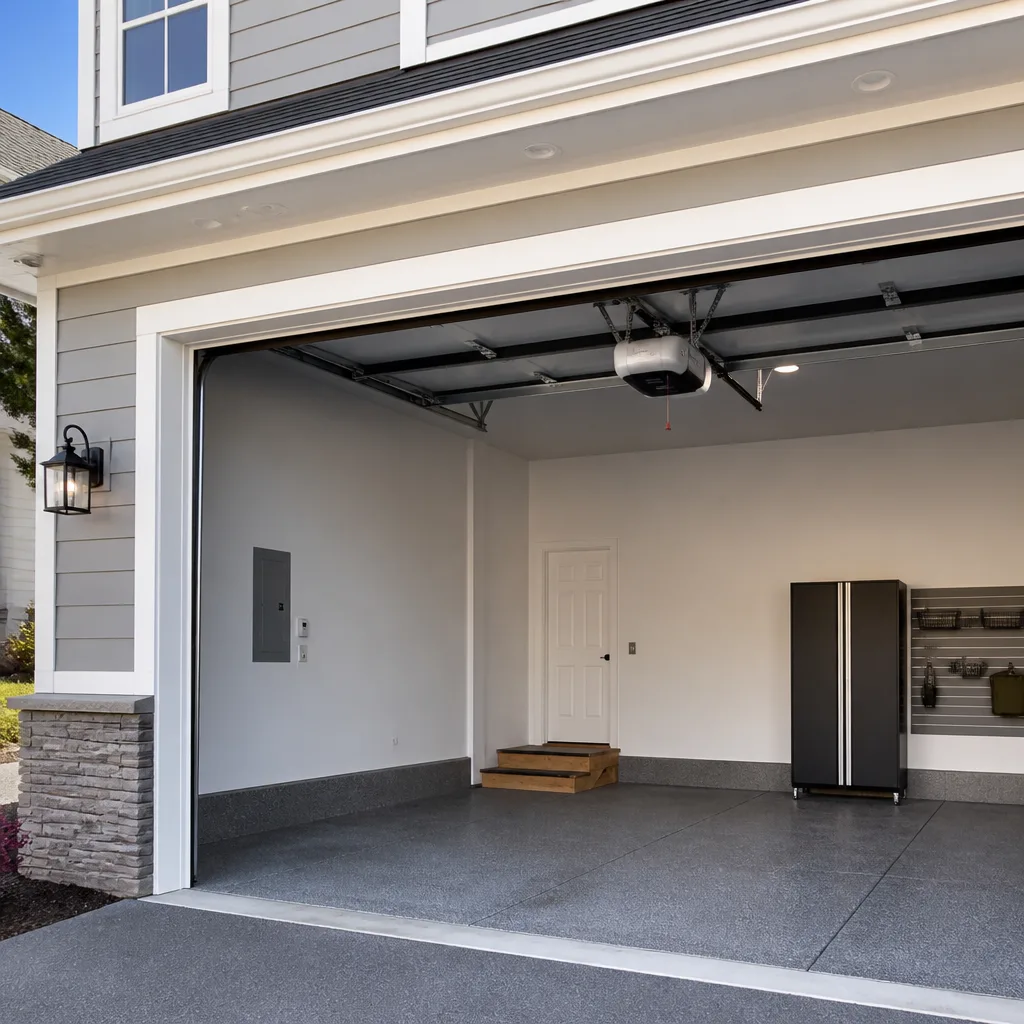
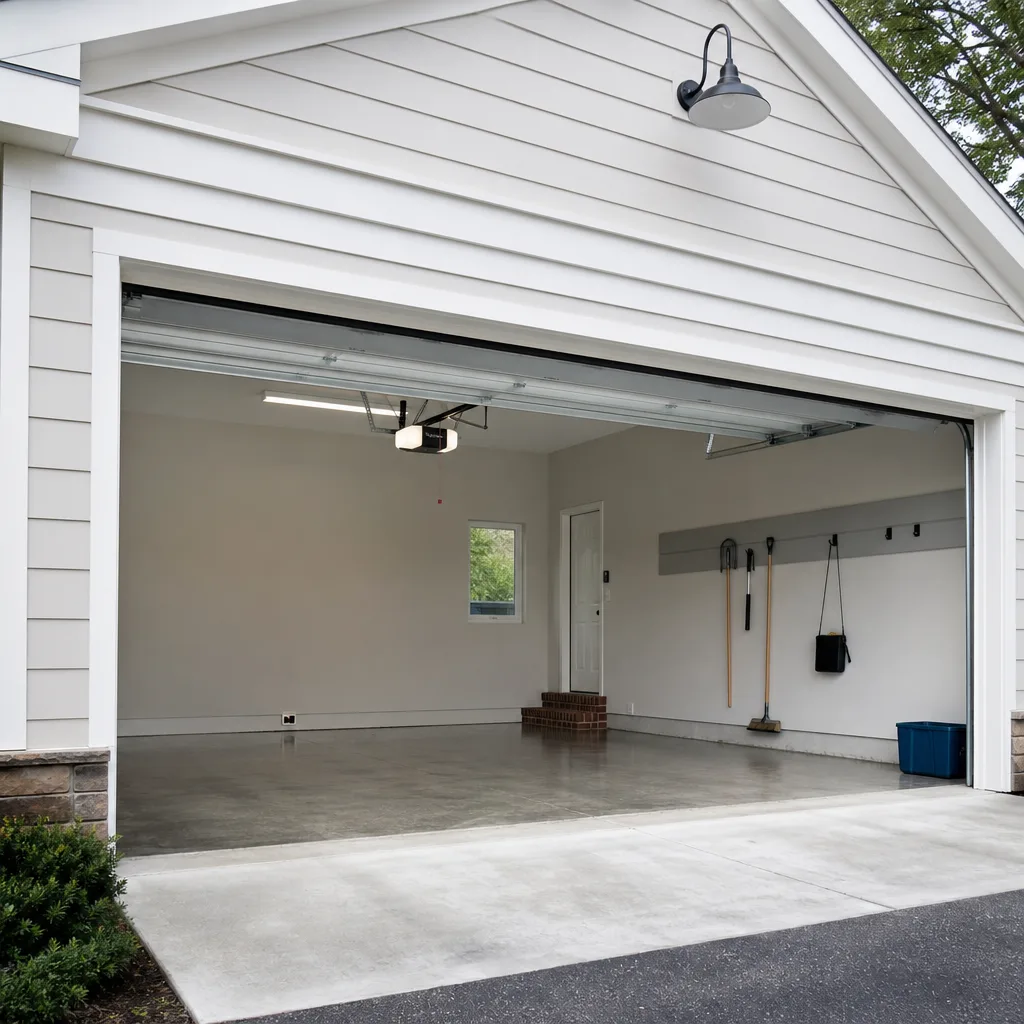
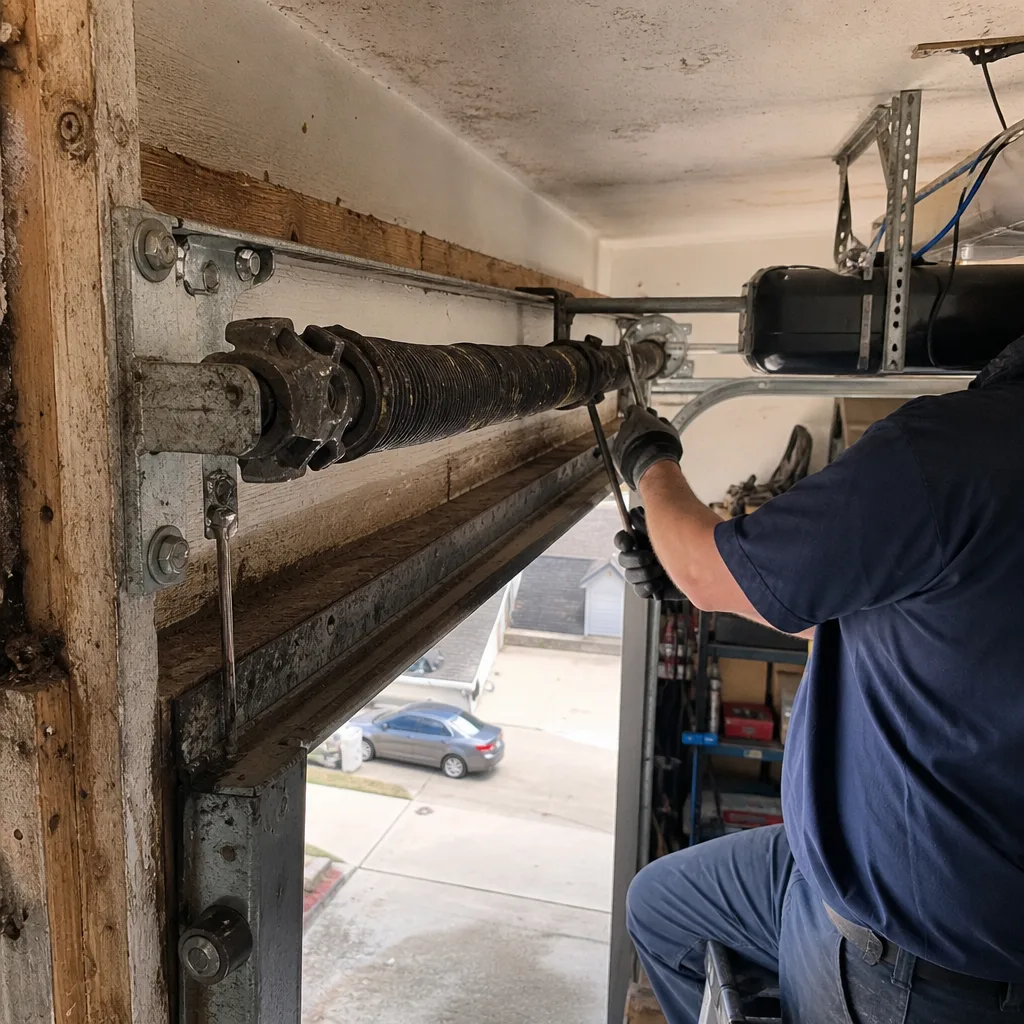 Before
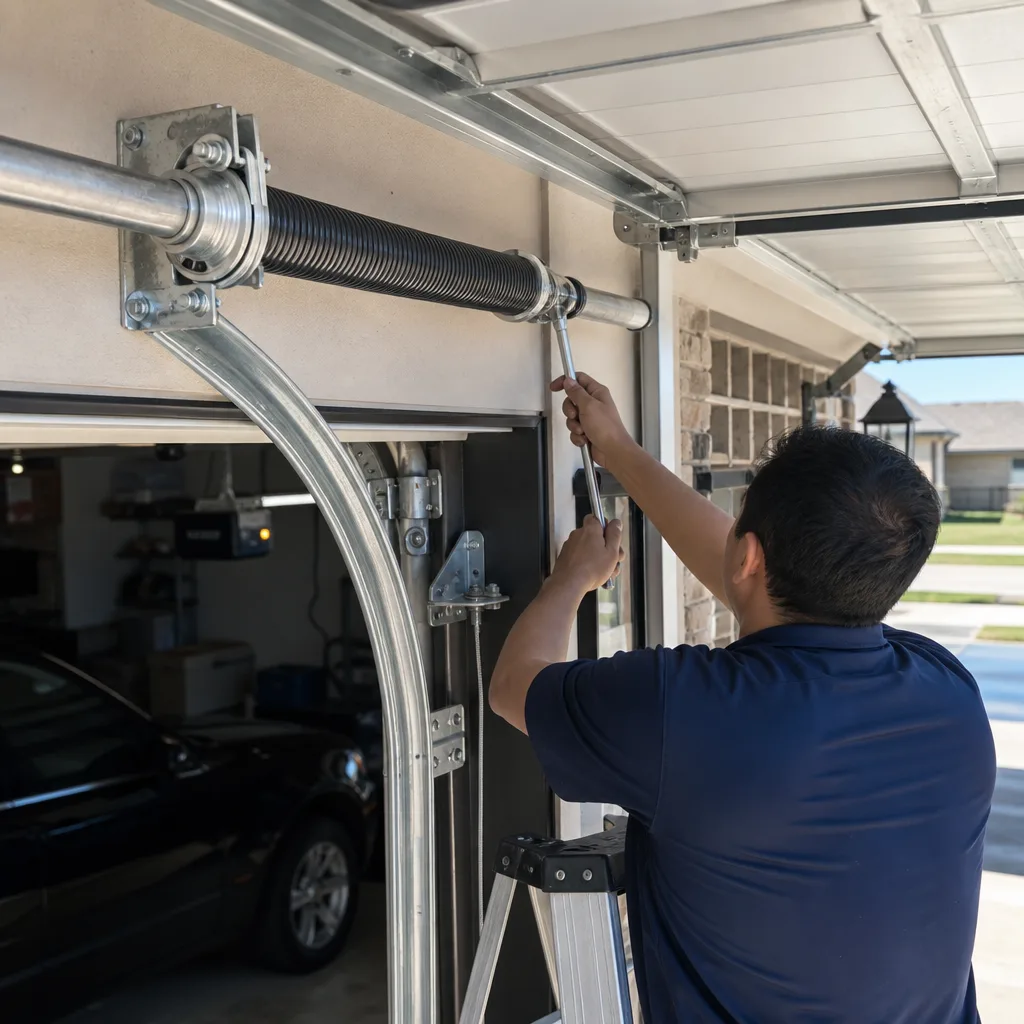 After
After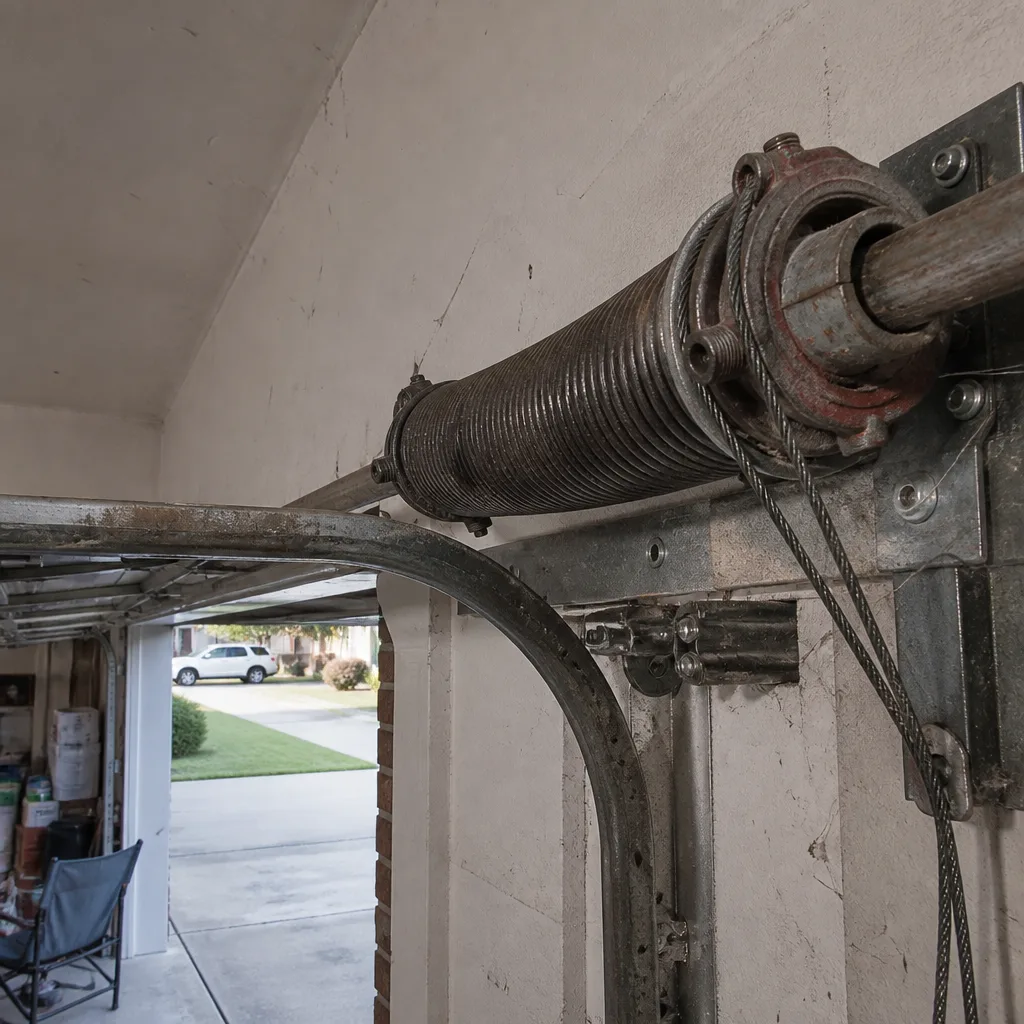 Before
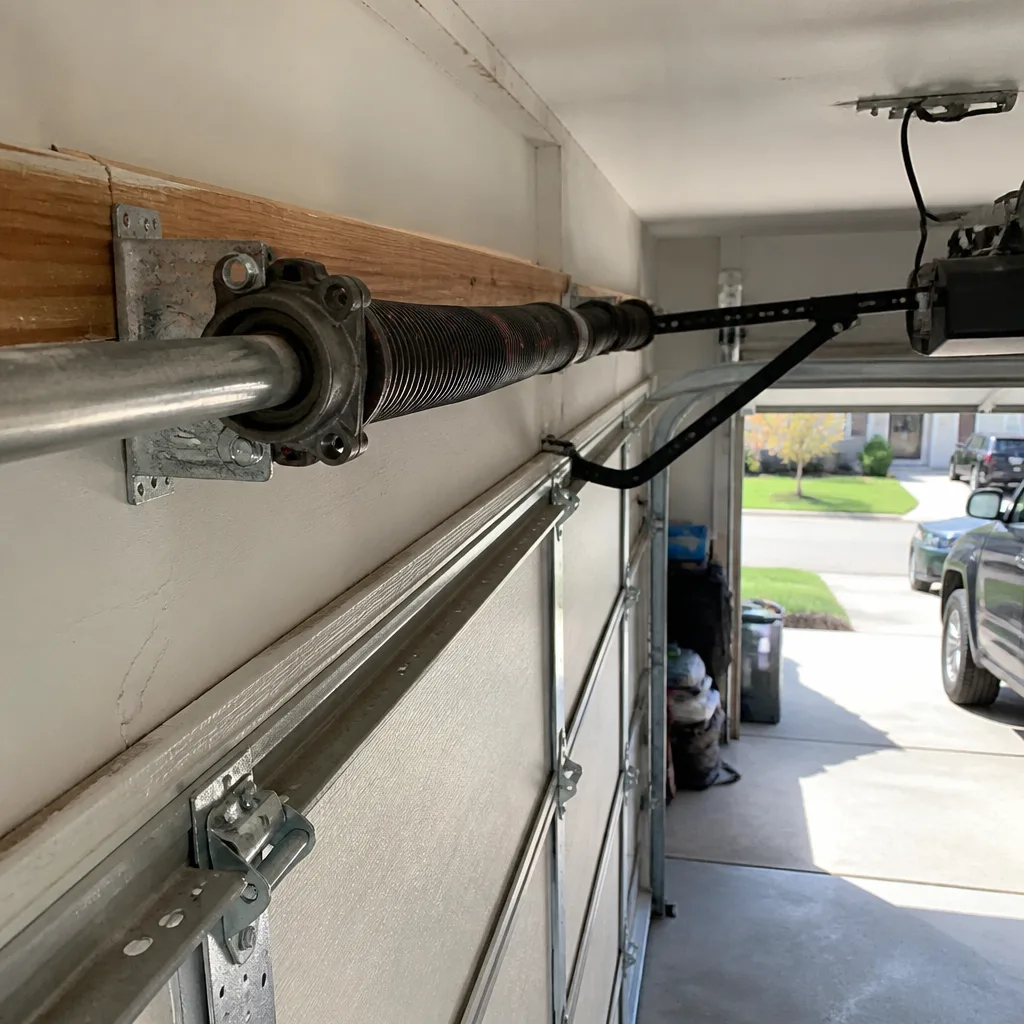 After
After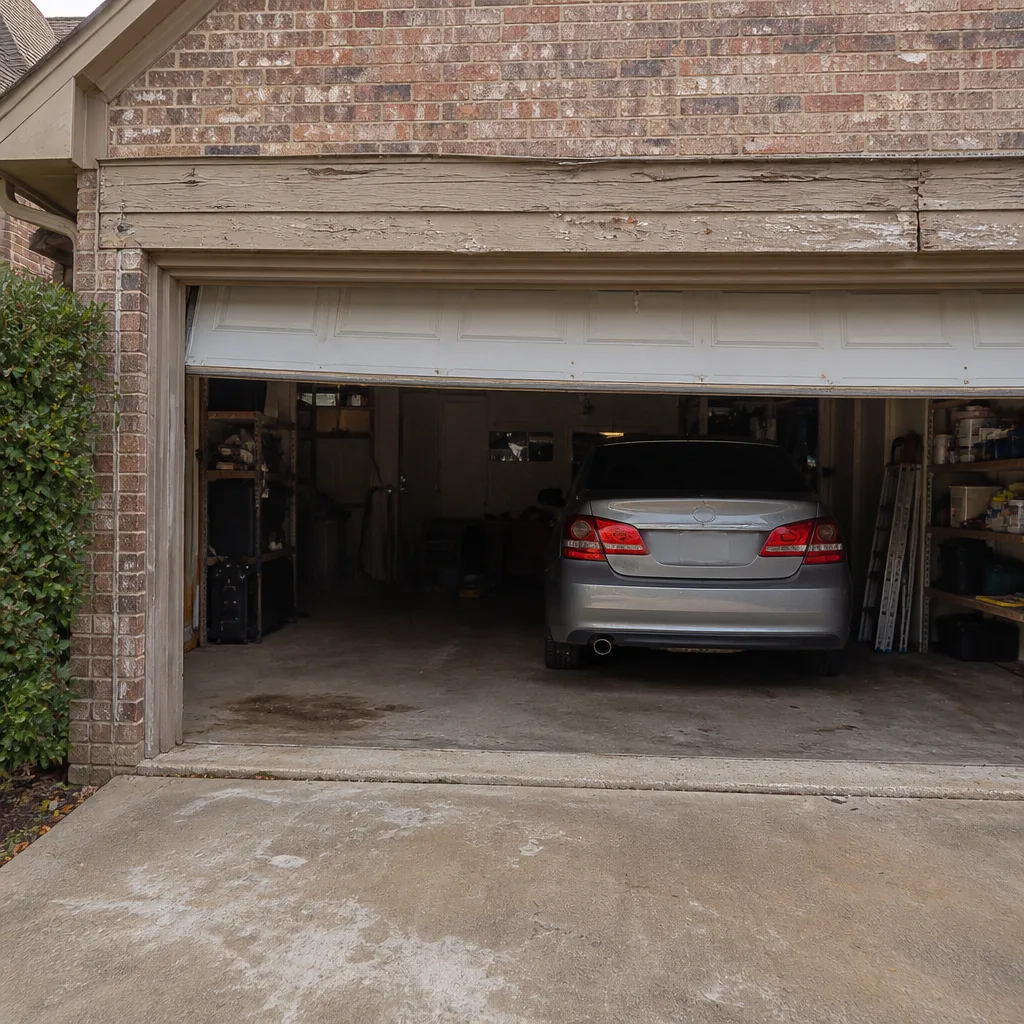 Before
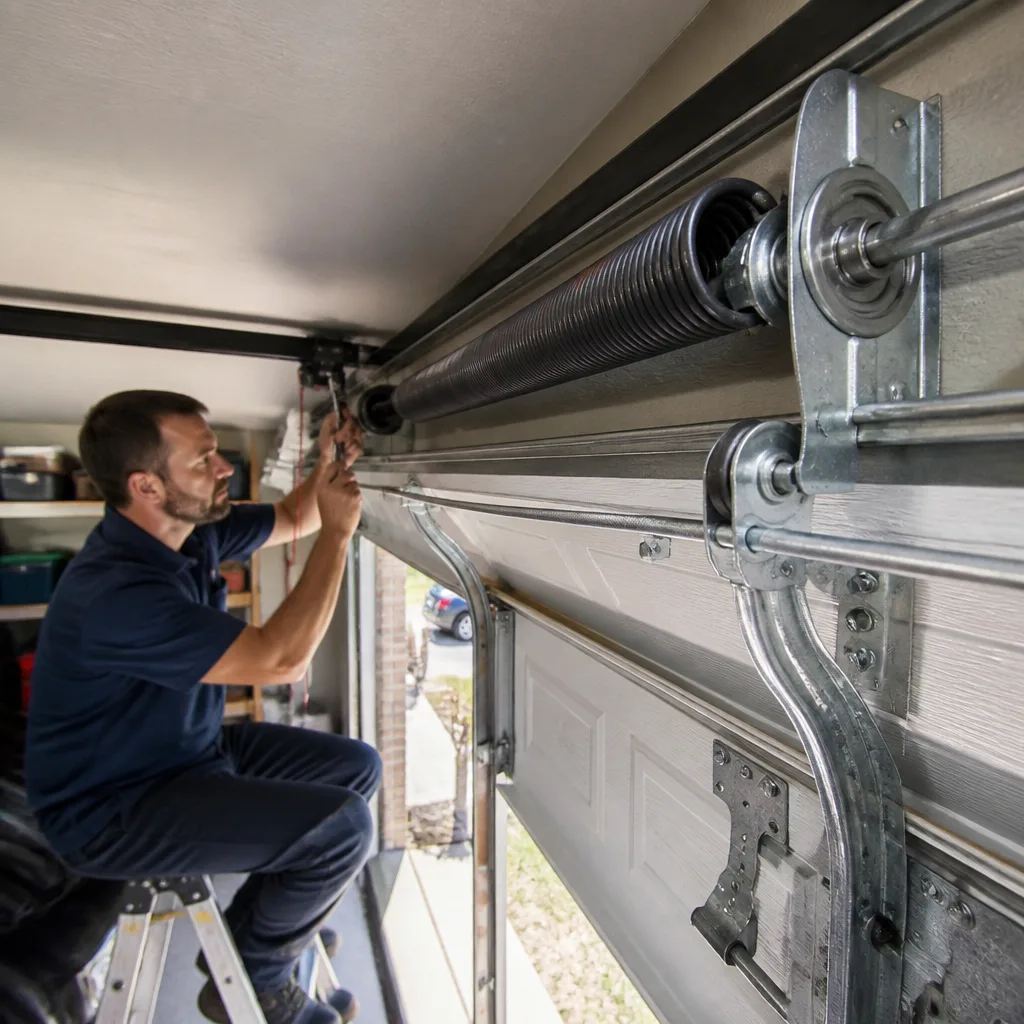 After
AfterGarage Door Repair Maintenance Checklist for Allen Homeowners
The average two-car household in a commuter suburb like Allen cycles its garage door over 1,500 times a year. That is a torsion spring that needs inspection every 14 months, not every five years as most generic checklists say. In our 42 years of service, we have learned that Allen’s particular combination of clay soil, summer UV exposure, and high daily cycling creates a failure sequence that standard maintenance guides and our Garage Door Warning Signs: A Allen Homeowner’s Reference Guide simply do not address. This checklist is sequenced by the order failures actually appear in Allen homes, not alphabetically or by component group. Follow it, and you will catch problems before they strand you on a Monday morning.
Quick Answer
Allen homeowners should inspect garage door springs every 14 months, lubricate moving parts with high-temp synthetic grease before July, test door balance quarterly for clay-soil shift, and replace weather seals every 2-3 years due to UV degradation. A seasonal tune-up in late March and early October aligns with Allen’s actual weather breaks and catches 80% of preventable failures.
Table of Contents
- Why Allen Homes Need Spring Inspection Every 14 Months, Not Five Years
- The Allen Seasonal Maintenance Calendar
- Torsion Spring Inspection and Tension Check
- The Clay-Soil Door Balance Test
- Lubrication That Survives Allen Summers Above 100°F
- Weather Seal Integrity After UV Exposure
- Opener Force Settings and Safety Reverse Test
- Hardware, Track, and Roller Inspection
Why Allen Homes Need Spring Inspection Every 14 Months, Not Five Years
Most maintenance checklists recommend spring inspection every three to five years. That guidance was written for a national average of 500-700 cycles annually. It does not fit Allen.
Allen is a commuter suburb with excellent highway access to Dallas, Plano, and Frisco. Many households here have two working adults, teenagers with their own schedules, and a garage that serves as the primary home entrance. A typical Allen family opens and closes their garage door four to six times daily. At 250 working days per year plus weekends, that is 1,500 to 2,000 cycles.
A standard torsion spring is rated for 10,000 cycles. Do the math: an Allen household burns through that rating in five to seven years. But here is what generic guides miss. Spring fatigue is not linear. A spring that has cycled 8,000 times in high heat has different metallurgical stress than one that has cycled 8,000 times in moderate climate. Allen’s summer garage temperatures regularly exceed 110°F. Heat accelerates metal fatigue. The spring does not simply break at 10,001 cycles. It begins losing tension gradually, transferring load to the opener, the cables, and the door panels themselves.
We see this pattern constantly in Allen neighborhoods like Twin Creeks, Waterford Parks, and StarCreek. The homeowner notices the opener straining, or the door seems “a little heavy.” They call for Garage Door Repair services for the opener when the root problem is a spring that has sagged 15% below specification. Replacing the opener does not fix it. The new opener works harder and fails sooner.
Our recommendation for Allen: inspect torsion springs every 14 months. Look for coil gaps that have opened unevenly, rust streaking on the spring body, or a door that drifts downward when released at mid-travel. These are early warnings that appear 18-24 months before catastrophic failure. Catching them early means a scheduled spring replacement, not an emergency call on a 102°F July afternoon.
The 14-month interval also aligns with our Garage Door Repair in Allen schedule. We can inspect springs during a routine tune-up and quote replacement before the failure cascade begins.
The Allen Seasonal Maintenance Calendar
Generic calendars split maintenance into “spring” and “fall.” Allen’s weather does not cooperate with that simplicity. Our summers start in May and linger into October. Winter arrives in sudden cold snaps, not gradual cooling. A maintenance calendar for Allen needs four specific touchpoints tied to actual local conditions.
Late March: Pre-Summer Preparation
Before the first 90°F day, complete these tasks:
- Inspect torsion springs for tension loss and surface rust
- Replace standard lithium grease with high-temp synthetic lubricant on all moving parts
- Test weather seal flexibility; cold-stiffened rubber will crack in the first heat wave
- Verify opener force settings; heat-expanded metal requires adjusted sensitivity
- Clear track debris from March windstorms and pollen accumulation
This is our busiest tune-up season. The $89 Seasonal Tune-Up includes all five steps, and we complete most in a single visit because our trucks carry springs, cables, and openers from Mainspring Garage Door Co. home stock.
Mid-July: Heat Stress Check
After 60+ days above 95°F, run a focused inspection:
- Listen for opener motor laboring on the first lift of the morning
- Check for lubricant runoff or dry residue on rollers and hinges
- Inspect door panel finish for UV chalking, especially on south-facing garages in neighborhoods like Montgomery Farm
- Test safety reverse with a 2×4; heat-expanded components can alter sensor alignment
Early October: Post-Summer Recovery
Summer’s thermal cycling loosens hardware. Before the first cold front:
- Torque all roller bracket and track bolts to specification
- Re-lubricate; summer heat has degraded or displaced previous application
- Inspect cable drums for wear from increased spring cycling
- Replace weather seals that have hardened in UV exposure
Late January: Cold Snap Preparation
Allen’s ice events are infrequent but severe. A frozen door is a damaged door if forced:
- Verify manual release operates smoothly; ice can seize the mechanism
- Check bottom seal contact with floor; gaps admit water that refreezes
- Test battery backup on opener; power outages peak in winter storms
This four-point calendar reflects what we have learned serving Allen since 2016. The seasons here do not match national averages, and maintenance timing should not either.
Torsion Spring Inspection and Tension Check
Torsion springs carry the entire weight of your garage door. That is why we named our company Mainspring. When they fail, the door becomes dead weight, and the opener cannot lift it. In Allen’s heat, the failure mode is typically gradual tension loss rather than sudden breakage.
Visual Inspection (Homeowner-Safe)
Stand inside your garage with the door closed. Look at the torsion spring mounted horizontally above the door opening. You are checking for:
- Coil separation gaps: In a healthy spring, coils sit nearly touching. Gaps wider than 3/16 inch indicate tension loss. Uneven gaps mean the spring is fatiguing asymmetrically.
- Rust streaking: Orange or brown discoloration running down the spring body. Rust pits the metal surface, creating stress concentration points.
- End cone cracks: The stationary and winding cones at each spring end should show no visible cracking or deformation.
Safety note: Do not touch, adjust, or attempt to wind a torsion spring. The stored energy can cause serious injury or death. If your inspection reveals any of the above, call a professional. We have treated too many preventable injuries from DIY spring work.
The 14-Month Tension Test
With the door closed, pull the emergency release cord to disengage the opener. Lift the door manually to waist height and release it carefully. A properly balanced door should remain stationary or drift slowly. If it falls rapidly, spring tension is insufficient. If it rises, tension is excessive. Both conditions strain the opener and cables.
In Allen, we recommend this test every 14 months because clay soil movement and high cycling accelerate imbalance. A door that tested fine in March may show drift by May after soil expansion from spring rains.
Spring replacement is not a commodity purchase. The wire diameter, inside diameter, and length must match precisely. We stock springs for all common door sizes and can match custom specifications. Every spring replacement includes our 90-Day Done Right Promise: if the balance is not correct, we return at no charge.
The Clay-Soil Door Balance Test
Allen’s foundation soil is expansive clay, primarily the Houston Black clay series. It swells when wet and shrinks when dry, moving concrete slabs and garage door frames throughout the year. This movement changes door alignment, and alignment problems masquerade as opener or spring failures.
We developed this two-point check specifically for Allen conditions. It takes five minutes and requires no tools.
Point One: The Gap Test
Close the door fully from inside with the lights off. Look for daylight at the bottom corners and along the vertical edges. A consistent 1/8-inch gap is normal for seal compression. Uneven gaps, especially wider at one corner, indicate frame shift from soil movement.
In Allen’s StarCreek and Cottonwood Creek areas, built on former blackland prairie, we see this pattern frequently. The gap widens at the left or right bottom corner first, then progresses up the jamb. Homeowners often replace the opener when the real issue is a door that binds in a shifted frame.
Point Two: The Smooth-Lift Test
Disengage the opener and lift the door manually through its full travel. It should move smoothly with consistent effort. Any catching, grinding, or sudden resistance at a specific height indicates track misalignment from frame movement.
Note the height where resistance occurs. If it is consistent, the track bracket has shifted. If it varies, the vertical track itself may be twisting with the frame.
Neither condition is a DIY fix. Track realignment requires precise spacing and level. We correct these issues during routine service calls and verify with a complete up-down cycle test before leaving.
The clay-soil test should be performed quarterly in Allen, more frequently during drought-flood transition periods when soil movement is most active. Catching frame shift early prevents the cascade into opener failure, cable wear, and panel damage.
Lubrication That Survives Allen Summers Above 100°F
Standard white lithium grease, the default recommendation in most maintenance guides, begins separating above 85°F. In an Allen garage in August, it liquefies and runs off rollers and hinges within weeks. The metal runs dry, wears, and fails prematurely.
We have tested lubricants across our service territory. For Allen’s conditions, we recommend synthetic polymer-based greases with a dropping point above 350°F. These products maintain film strength through thermal cycling and resist washout from humidity.
What to Lubricate
- Hinge pins: Each hinge where door sections flex. One drop per pin, wipe excess.
- Roller bearings: Steel rollers only. Nylon rollers are self-lubricating; adding grease attracts dust.
- Torsion spring: Light coating along the coil body to reduce friction and corrosion.
- Track interior: Not lubricated. The rollers roll, they do not slide. Grease in the track collects grit and accelerates wear.
- Chain or screw drive: Per manufacturer specification. Most modern openers use sealed units requiring no user lubrication.
What to Avoid
WD-40 is not a lubricant for this application. It is a water displacer with light oil that evaporates within days. We remove more failed components gummed with WD-40 residue than any other homeowner product.
Graphite lubricants degrade in humidity and stain door finishes. Silicone sprays attract dust and form abrasive paste in track environments.
Apply lubricant in late March before heat buildup, then again in early October after summer degradation. Two properly timed applications outperform monthly misting with the wrong product.
Our $89 Seasonal Tune-Up includes full lubrication with appropriate products. We also note which components are showing wear that lubrication can no longer protect, and point homeowners to more guides & resources for ongoing care.
Weather Seal Integrity After UV Exposure
Allen’s summer sun is intense and prolonged. South and west-facing garage doors receive 8-10 hours of direct UV daily from May through September. Standard EPDM rubber seals harden, crack, and lose compression set within two to three years here, versus five to seven years in moderate climates.
A failed seal is not merely a draft issue. It admits water that damages the door bottom, rusts hardware, and creates slip hazards on concrete. In Allen’s clay soil, water intrusion at the door threshold contributes to the very foundation movement that shifts frames and misaligns tracks.
Seal Inspection Procedure
- Close the door and examine the bottom seal from inside. Look for cracks, flattening, or sections that no longer contact the floor.
- Open the door partially and feel the seal profile. It should be pliable and spring back when compressed. A seal that stays flattened has lost resilience.
- Check the retainer channel. UV degrades the plastic or aluminum track that holds the seal. A cracked retainer will not hold replacement seal properly.
- Close the door on a bright day and look for light penetration at the bottom edge. Any visible light indicates a gap.
Seal Replacement Timing
Replace bottom seals every 2-3 years in Allen, regardless of apparent condition. The UV damage is often internal and not visible until failure. For side and top seals (on insulated or premium doors), inspect annually and replace at first sign of hardening.
We stock seal profiles for all major brands including Clopay, Amarr, and Wayne Dalton. Seal replacement is quick, typically completed in a single visit, and is included in our seasonal service when needed.
In neighborhoods like Bethany Lakes and Glendover Park, where homes were built in the 1990s-2000s with original doors, we frequently find seals that have never been replaced. The resulting water damage to door bottoms is often the true reason for “my door is sagging” calls.
Opener Force Settings and Safety Reverse Test
Garage door openers have two critical safety functions: automatic reverse on obstruction, and force limitation that prevents injury or entrapment. Both settings drift with temperature, wear, and door condition changes. In Allen’s climate, annual verification is minimum; we recommend testing at each seasonal transition.
The 2×4 Safety Reverse Test
Place a 2×4 flat on the floor centered under the door path. Close the door using the remote. The door should reverse within two seconds of contact. If it does not reverse, or reverses only after significant force, the opener requires immediate service.
This is not a calibration you should attempt yourself. The force and limit settings interact, and improper adjustment creates entrapment risk. We have responded to injuries from well-meaning homeowners who increased force settings to compensate for a binding door rather than fixing the binding.
Force Setting Verification
With the door fully open, press the wall button to close it. During descent, grasp the bottom of the door firmly and apply upward resistance. The door should reverse immediately. If it continues descending or strains against your hand, the down-force is excessive.
Repeat during opening with downward resistance. Up-force that does not yield to moderate pressure can damage the door or injure someone caught beneath.
Allen-specific consideration: summer heat expands all metal components. An opener that passed the force test in March may be over-straining by July as the door runs less smoothly in expanded tracks. The correct response is not to increase force settings but to address the underlying friction or misalignment.
We service all major opener brands including LiftMaster, Chamberlain, and Genie. Our technicians carry replacement logic boards, gear assemblies, and safety sensors for same-day resolution of most opener issues.
Hardware, Track, and Roller Inspection
The mechanical components of a garage door system are simple in principle: rollers ride in tracks, hinges connect panels, brackets attach everything to the frame. In practice, these components experience significant stress, and Allen’s conditions accelerate specific failure modes.
Roller Condition
Steel rollers wear at the bearing and develop flat spots or play. Nylon rollers crack when aged or UV-exposed. Either condition causes noise, vibration, and uneven travel.
Inspect rollers annually with the door stationary. Grasp each roller and attempt to move it perpendicular to the track. Any detectable play indicates wear. Spin the roller; it should turn freely with no grinding or catching.
We replace steel rollers with sealed bearing units and upgrade nylon rollers to high-cycle versions in high-use Allen homes. Roller replacement is often the single most effective noise reduction service we provide.
Track Alignment and Fastener Integrity
Examine the vertical track from bottom to top. It should be plumb and parallel to the door edge. The horizontal track should slope slightly toward the rear of the garage, typically 1/4 inch per foot, to ensure the door settles closed rather than drifting open.
Check all visible fasteners with a wrench (do not overtighten). In Allen’s thermal cycling, expansion and contraction loosen bracket bolts. A loose top fixture bracket is a common source of the “clunk” sound at the end of door travel.
Hinge and Panel Integrity
Steel hinges crack at the pin holes after approximately 15,000 cycles. In Allen’s high-cycling homes, that is 8-10 years. Inspect hinge faces for hairline cracks, especially at the top and bottom holes where stress concentrates.
Panel dents and creases create stress risers that propagate cracks. A door with significant panel damage should be evaluated for replacement rather than continued repair. We provide Garage Door Installation in Allen with measured, written quotes and no pressure to proceed.
Common Mistakes to Avoid
- Using the wrong lubricant seasonally. White lithium grease applied in March has liquefied and run off by August. Switch to high-temp synthetic before summer heat arrives.
- Ignoring the manual release. Many Allen homeowners have never tested their emergency release cord. When the power fails or the opener malfunctions, a seized release traps the door closed. Test it quarterly.
- Replacing the opener for a door balance problem. We see this misdiagnosis weekly. A straining opener is usually a symptom. The root cause is spring tension loss, track misalignment, or binding rollers.
- Waiting for the spring to break. A broken torsion spring often damages cables, bends panels, and strips opener gears. The 14-month inspection catches fatigue before failure.
- Applying weather seal “when it looks bad.” By visible deterioration, the seal has already admitted water and allowed frame movement. Replace on a 2-3 year calendar regardless of appearance.
- DIY spring adjustment after watching online videos. Torsion springs store lethal energy. We have treated injuries from improvised winding bars and incorrect technique. This is not a homeowner task.
When to Call a Professional
Some maintenance is homeowner-appropriate: visual inspection, lubrication, the balance and gap tests described above. Certain conditions require trained technician service.
Call a professional immediately if: the torsion spring shows gaps, rust, or any deformation; the door falls when released at mid-travel; the opener fails the 2×4 safety reverse test; you hear grinding, popping, or irregular noises during operation; the door has come off its tracks; or cables are frayed or detached.
These conditions involve components under significant load or safety-critical functions. Attempted repair without proper tools and training risks serious injury and typically causes additional damage.
Mainspring Garage Door Co. offers free estimates in Allen. Our technicians arrive with the parts to complete most jobs in a single visit, and every repair is backed by our 90-Day Done Right Promise in writing. Call (214) 692-2338 to schedule.
Frequently Asked Questions
Professional service every 12 months is appropriate for most homes, with homeowner inspections quarterly. In Allen’s high-cycling commuter households, we recommend the $89 Seasonal Tune-Up twice yearly, in late March and early October, to align with actual weather stress periods.
Our Seasonal Tune-Up is $89 and includes full inspection, lubrication, safety testing, and hardware torque verification. Repairs identified during service are quoted upfront before any work begins. We also offer $50 Off Any Repair Over $250 and a permanent 5% discount for seniors and veterans. Call (214) 692-2338 for exact pricing on your specific door.
Homeowner-safe tasks include visual spring inspection, lubrication with appropriate products, the balance test, weather seal check, and safety reverse verification. Never attempt torsion spring adjustment, cable replacement, or track realignment. These components store lethal energy and require specialized tools and training.
Heat expands metal components and thins lubricant film. The door runs less smoothly in expanded tracks, and degraded grease no longer cushions roller and hinge contact. The correct response is seasonal lubrication with high-temp synthetic product, not increasing opener force settings.
A 10,000-cycle spring in an average Allen commuter household lasts 5-7 years, not the 10-15 years quoted in generic guides. Heat accelerates metal fatigue. We recommend inspection at 14 months and proactive replacement when tension loss is detected, rather than waiting for catastrophic failure.
Yes. Our technicians are factory-familiar with all major brands including LiftMaster, Chamberlain, Genie, Clopay, Amarr, Wayne Dalton, Craftsman, and Raynor. We stock common parts for same-day repair and can source specialized components when needed. Every job includes our 90-Day Done Right Promise.
The Bottom Line
Allen homeowners face a specific garage door failure sequence: high daily cycling, summer heat degradation, and clay soil movement that misaligns frames. Generic maintenance schedules do not account for these factors. This checklist, sequenced by actual local failure patterns and tied to Allen’s real season breaks, catches problems before they cascade into emergency repairs.
The core discipline is simple: inspect springs every 14 months, lubricate with heat-appropriate products before summer, test door balance quarterly for soil shift, replace weather seals on a 2-3 year calendar, and verify safety systems at each season change. Do this, and your garage door will operate reliably for years. Skip it, and the same components that warn you gradually will eventually fail suddenly.
We have served Allen since 2016, and our trucks carry the parts to finish most jobs in a single visit. If your inspection reveals anything concerning, or if you prefer a professional assessment, call (214) 692-2338. We answer live, 24/7, and we quote the flat price before any work begins.
Written by Carl Dutton, Owner at Mainspring Garage Door Co., serving Allen since 2016.