
Last updated September 10, 2026
Full 25-point door and opener safety check with every visit - springs, cables, rollers, tracks, and your LiftMaster or Chamberlain opener included
You get a price before we start. It does not change when the truck arrives.
 Before
 After
After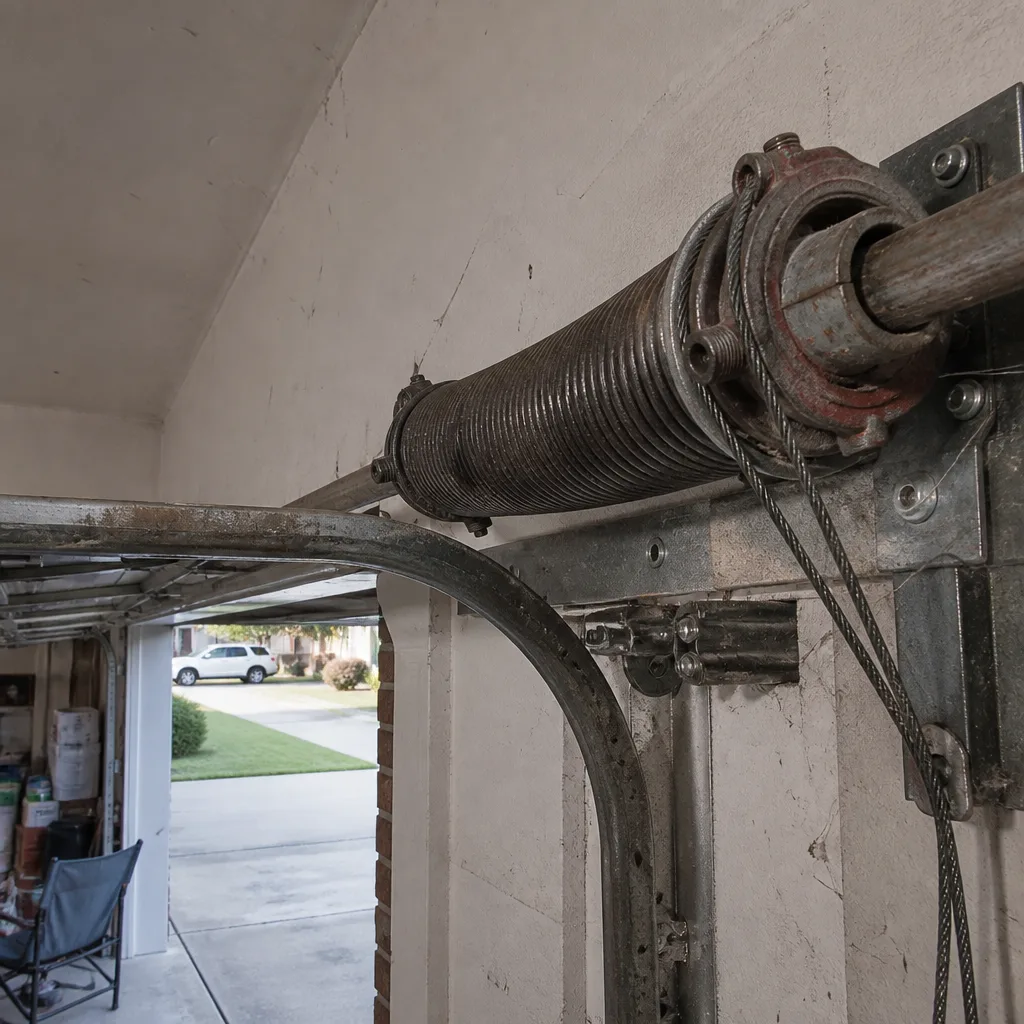 Before
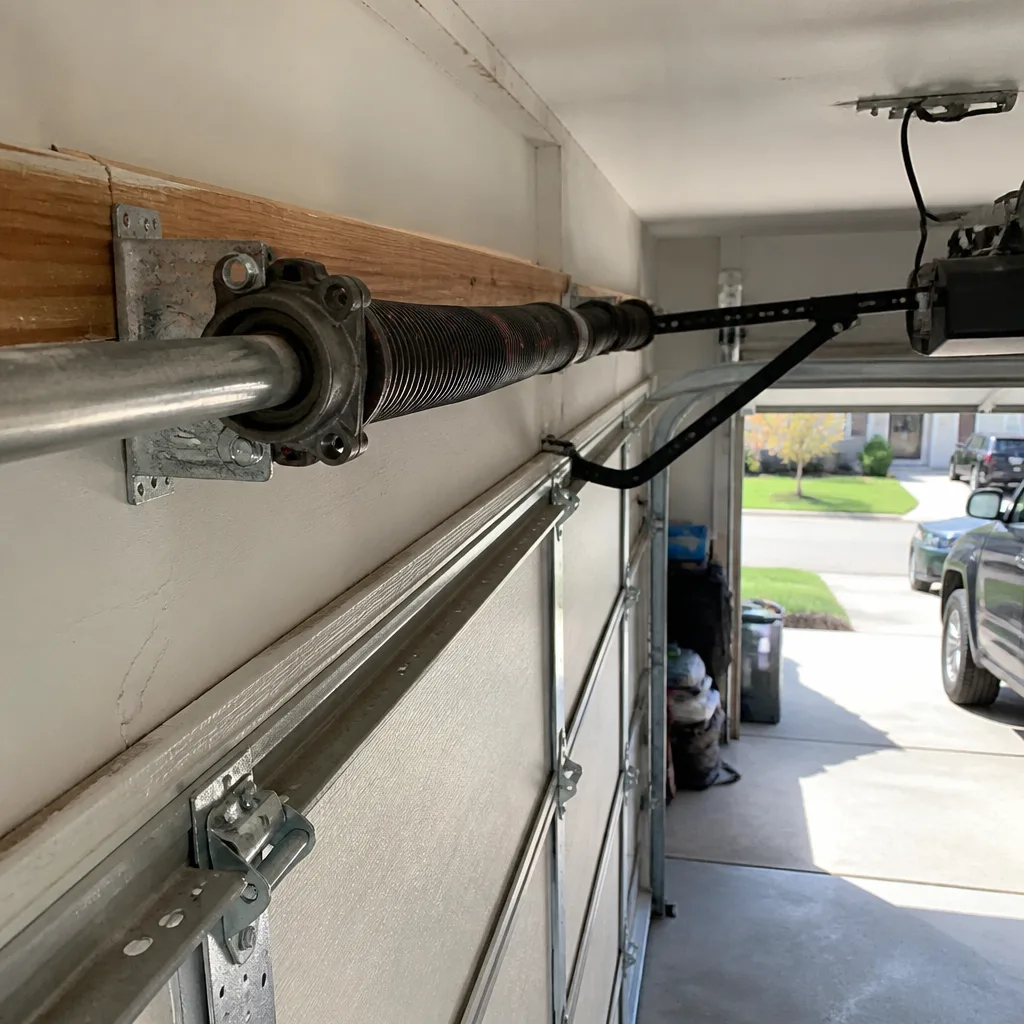 After
After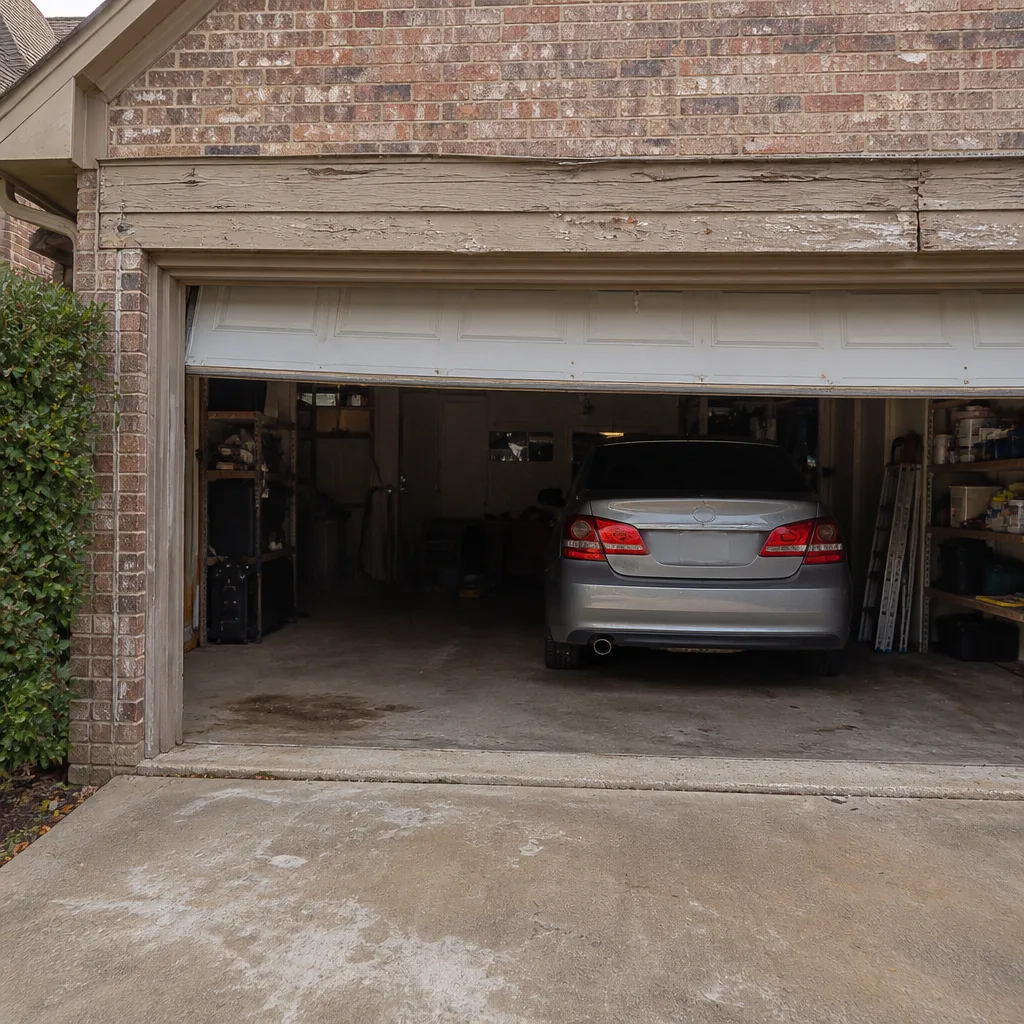 Before
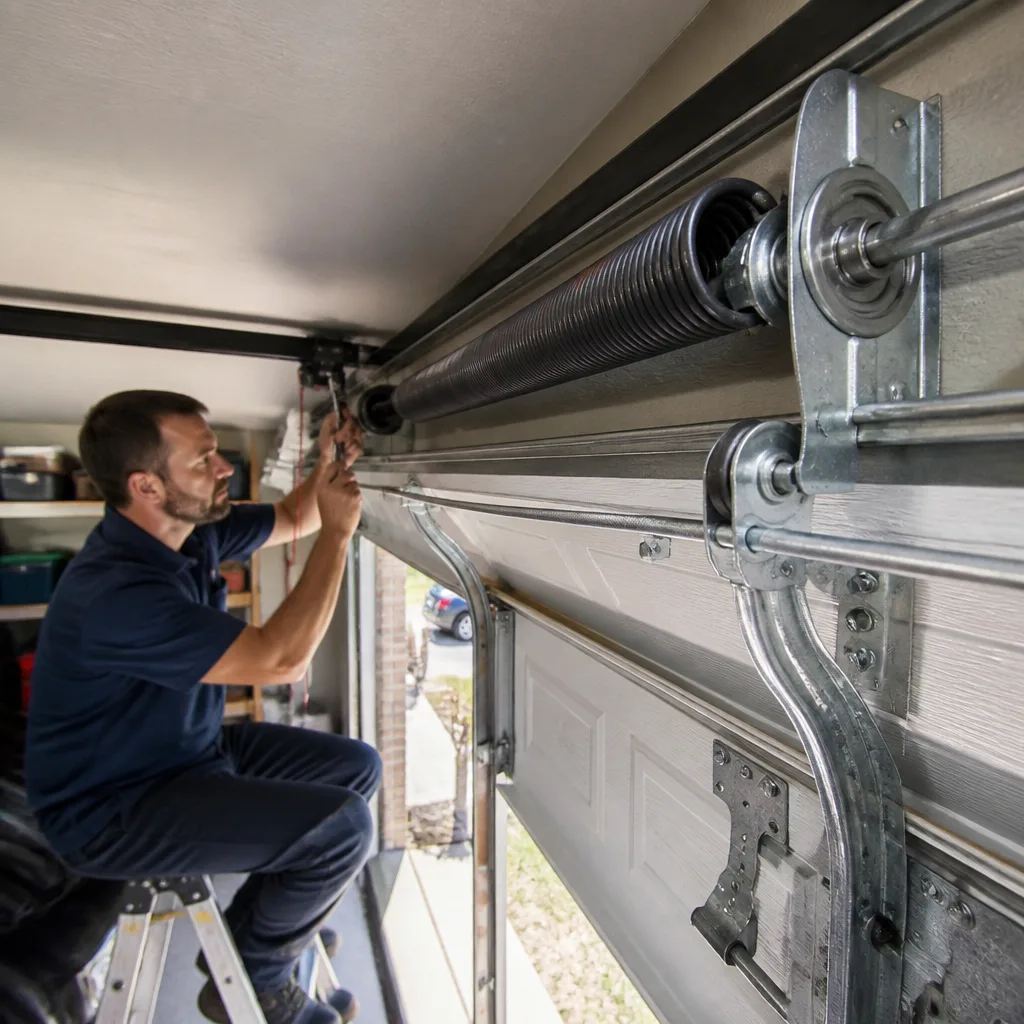 After
AfterSeasonal Garage Door Care for Allen: Year-Round Homeowner’s Guide
Most seasonal maintenance calendars treat Allen like Minneapolis with milder winters. That is a costly mistake. In our 42 years of working across Collin County, we have learned that Allen’s garage doors face two dominant enemies: sustained heat above 95°F from late May through September, and sudden freeze events in December and January that drop temperatures 40 degrees in twelve hours. The lubricant you apply in July will degrade before August. The weatherstripping you ignore in October will crack when the first Arctic front arrives. This guide maps maintenance to Allen’s actual thermal calendar, not the national template, so you spend your time and money where it matters.
Quick Answer
Garage door maintenance in Allen should focus on two critical prep windows: late March, before sustained heat arrives, and late September, before sudden freeze events begin. A 20-minute visual and manual audit during each window, combined with professional spring tension checks and hardware lubrication using high-temperature-rated products, prevents roughly 80% of the emergency calls we receive in Allen each summer and winter.
Table of Contents
- Allen’s Two-Season Model: Heat Stress vs. Freeze Events
- The Late March Prep Window: Before the First 100°F Day
- Summer Thermal Expansion and Your Torsion Springs
- What Actually Helps in July (and What Doesn’t)
- The Late September Prep Window: Before the First Freeze
- The December Freeze-Event Checklist
- The 20-Minute Pre-Summer Door Audit
- Common Mistakes to Avoid
- When to Call a Professional
- Frequently Asked Questions
- The Bottom Line
Allen’s Two-Season Model: Heat Stress vs. Freeze Events
Allen sits at roughly 33.1°N latitude with an elevation of 659 feet, placing it in a humid subtropical zone that behaves nothing like the four-season climates most maintenance guides assume. The National Weather Service records for McKinney, our nearest official station, show an average of 45 days above 100°F annually, with the first occurrence typically between June 10 and June 20. Meanwhile, winter does not arrive gradually. It arrives suddenly.
We divide Allen’s garage door year into two stress seasons and two transition windows:
| Period | Primary Threat | Average Conditions |
|---|---|---|
| Late May - September | Heat stress, UV degradation, thermal expansion | Highs 92-102°F, sustained for weeks |
| December - mid-February | Sudden freeze events, thermal contraction | Fronts drop temps 30-50°F in 12-24 hours |
| Late March - early May | Transition window: prep opportunity | Highs 65-85°F, stable enough for effective lubrication |
| Late September - November | Transition window: prep opportunity | Highs 70-85°F, before first freeze |
The mistake we see in neighborhoods like Twin Creeks, Waterford, and Starcreek is treating March like “spring cleaning” season for garage doors. The real work is preparation. By the time Allen’s first 100°F day arrives, typically around June 15, your door has already been cycling through warming mornings and hot afternoons for six weeks. The metal has expanded. The lubricant has thinned. The opener motor is working harder. If you have not prepared, you are already behind.
Similarly, December freeze events in Allen are not like Denver’s steady cold. On January 2, 2018, Allen dropped from 55°F at noon to 14°F by 6:00 AM the following morning. That rapid contraction stresses every metal component, particularly torsion springs that were calibrated at 70°F. A spring that was borderline weak in October will often fail on the first hard freeze cycle.
This is why we structure our garage door repair in Allen calendar around prevention in the transition windows, not response during the stress seasons.
The Late March Prep Window: Before the First 100°F Day
Late March in Allen brings average highs of 68°F rising to 78°F by month’s end. The overnight lows still dip to 50°F, which means your door experiences a 25-degree daily thermal swing. This is actually ideal for maintenance work: the metal is neither fully contracted nor fully expanded, and high-temperature lubricants will cure properly before summer stress begins.
We target the window between March 15 and April 10 for our $89 Seasonal Tune-Up calls in Allen. Here is what that work covers, and what you can inspect yourself:
- Spring tension verification. Torsion springs lose approximately 2-3% of their calibrated tension per year under normal cycling. Before summer expansion adds another variable, we verify that springs are still within manufacturer spec for the door weight. A spring that is 10% below spec in March will likely fail under summer load.
- Hardware lubrication with high-temperature-rated product. Standard lithium grease begins to separate above 180°F surface temperature. In an Allen garage with western exposure and no ventilation, track surfaces can exceed 140°F by July. We use synthetic-based lubricants rated to 350°F.
- Roller inspection and replacement. Nylon rollers degrade faster than steel in UV exposure, but steel rollers require more frequent lubrication. We check for flat spots, bearing wear, and cracked nylon. Most 10,000-cycle rollers in Allen need replacement at year 7-9.
- Weatherstripping assessment. The bottom seal and side seals take a beating from UV and from expansion-contraction cycles. We look for hardening, cracking, and gaps that will admit 105°F air in July or driving rain in May.
- Opener force limit testing. Summer thermal expansion increases door weight slightly as metal components bind. If your opener’s force settings are already at maximum, it will struggle or fail to close on hot afternoons. We verify settings with a calibrated load test.
- Safety sensor alignment and cleaning. Pollen season in Collin County peaks in late March. A thin film on photo eyes can cause intermittent failures that worsen when summer heat expands the mounting brackets.
In the Bethany Lakes and Montgomery Farm areas, we see a pattern: homes built 2005-2015 often have original springs that were barely adequate for the door weight when installed. After 15-20 years of cycling, these springs are primed for summer failure. Late March is the last chance to address them before the heat arrives.
Summer Thermal Expansion and Your Torsion Springs
Torsion springs are calibrated to a specific torque at a specific temperature, typically 70°F. For every 20°F increase in ambient temperature, a steel torsion spring expands in length by approximately 0.0012 inches per inch of wire length. On a standard 2-inch ID spring with 30 active coils, that translates to roughly 1/16 inch of length increase when temperatures move from 70°F to 110°F in an unventilated Allen garage.
That small dimensional change reduces spring tension by 3-5%. Counterintuitively, this means a properly calibrated spring becomes slightly weaker in summer, not stronger. The door feels heavier to the opener. The cables carry more load. The opener motor draws more amperage and runs hotter.
Here is what we do about it, and what we do not:
- We do adjust springs that were borderline in spring. If a spring was at 92% of recommended torque in March, we will typically add a quarter-turn before summer to compensate for thermal loss.
- We do not adjust springs that were properly calibrated. The thermal expansion is predictable and accounted for in manufacturer specifications. Over-tightening in spring creates dangerous over-torque when temperatures drop in fall.
- We do monitor for binding, not just tension. Thermal expansion affects tracks, hinges, and panels unevenly. A door that runs smooth at 75°F may bind at 105°F if the horizontal track has expanded against a tight bracket. We check clearances at multiple temperatures when possible.
The garage door installation in Allen work we performed in the 1990s and early 2000s used heavier-gauge steel in Clopay and Wayne Dalton models that handled thermal stress better than some lighter modern products. If you have a 20-year-old door from that era, the frame may outlast two sets of springs. If you have a newer, lighter door, thermal flexing of the panel sections themselves becomes a concern we monitor.
One specific Allen issue: western and southern exposures. In the newer construction west of Custer Road, many garages have minimal roof overhang and full afternoon sun exposure. We have measured garage interior temperatures of 118°F in these homes. That is not a spring problem alone; it is a systemic heat management issue that may require ventilation improvements or reflective garage door coatings.
What Actually Helps in July (and What Doesn’t)
July in Allen averages 14 days above 100°F. The instinct to “do something” for your garage door is understandable. The question is whether that something helps or wastes your time.
What does not help:
- Re-lubricating with standard lithium grease. It will run off vertical surfaces within two weeks at sustained 100°F+ temperatures.
- Adjusting spring tension yourself. The energy stored in a torsion spring is lethal. We have responded to emergency calls in Allen where a homeowner’s improvised winding bar slipped. Do not attempt this.
- Power-washing the door to “cool it down.” Thermal shock from cold water on hot metal can warp panel sections, particularly on insulated steel doors where the foam core expands at a different rate.
What does help:
- Verifying that your garage ventilation is functional. A simple exhaust fan or vented soffit can reduce peak temperatures by 15-20°F.
- Checking the opener’s thermal overload status. If your opener has cut out on hot afternoons, the motor may be running at its limit. This is a warning sign, not a nuisance to reset.
- Inspecting the emergency release rope. Nylon ropes degrade faster in UV and heat. A failed release mechanism is a safety issue if you need to manually operate during a power outage.
- Calling for professional assessment if you notice new noises, slower operation, or intermittent reversing. These are early failure indicators that worsen under thermal load.
Our 24/7 live answer line sees a predictable spike in Allen emergency calls every July 15-25, when sustained heat has stressed marginal components to failure. The calls we do not receive are from homeowners who had their March prep done. That is the goal.
The Late September Prep Window: Before the First Freeze
Allen’s average first freeze occurs between November 15 and November 25, but the first significant cold front typically arrives in late October or early November. The critical prep window is September 20 to October 15, when daytime highs are still 80-85°F and overnight lows are 60-65°F. This is your last stable period before thermal contraction becomes the dominant stress.
The September prep mirrors March in some ways but differs in others:
- Spring tension re-verification after summer. Springs that were adjusted for thermal loss in spring may now be slightly over-torqued as temperatures moderate. We return them to baseline calibration.
- Lubricant replacement. The high-temperature synthetic applied in March has done its job. We clean and reapply with a product rated for low-temperature flow, ensuring that hinges and rollers do not stiffen in 25°F mornings.
- Weatherstripping replacement if needed. The bottom seal that was merely checked in March has now endured a full summer of UV. We replace seals that show hardening or compression set. A proper seal keeps wind-driven rain out during fall storms and reduces air infiltration when heating season arrives.
- Track and roller clearance check for contraction. As temperatures drop, metal contracts. A track that was properly spaced in summer may now have excessive clearance, allowing roller wobble and door shake. We verify clearances at multiple points.
- Opener battery backup test. Winter storms bring power outages. We test battery backup systems and replace units that fail load testing. This is particularly important for homeowners with attached garages where the door is the primary entry point.
- Manual release function verification. Cold hands, dark mornings, and a stuck release rope are a bad combination. We lubricate and test the release mechanism.
In the older neighborhoods near downtown Allen, particularly around the original 1980s construction, we see a specific issue: wooden frame garage doors that have absorbed summer humidity and expanded. As fall drying begins, these doors may shift fit in their frames. The September window is when we address binding before it becomes a winter problem.
The December Freeze-Event Checklist
North Texas freeze events are not gradual. They arrive with a dry line, a wind shift, and a temperature collapse. On February 14, 2021, Allen dropped from 33°F at midnight to 2°F by 6:00 AM. That kind of shock finds every weakness in your garage door system.
We do not recommend attempting maintenance during a freeze event. The materials are at their most brittle, and the conditions are dangerous. What we do recommend is a pre-event checklist you can complete in the 24-48 hours before a forecast hard freeze:
- Cycle the door manually while temperatures are still above freezing. Feel for binding, rough spots, or uneven movement. If the door does not move smoothly by hand, the opener will struggle when temperatures drop further.
- Verify that the weatherstripping is intact and flexible. A hardened bottom seal will not conform to floor irregularities when contracted by cold, creating gaps for wind infiltration.
- Disconnect and reconnect the opener to confirm the emergency release works with cold-stiffened fingers. If you cannot operate it easily now, you will not be able to in an emergency.
- Check the garage interior for pipes or water lines near the door. A failed seal in a hard freeze can expose plumbing to sub-freezing air. This is not strictly a door issue, but it is why we are called after freeze events when doors have failed.
- Clear snow or ice from the floor area before it freezes to the seal. Allen rarely sees heavy snow, but ice accumulation from freeze-rain events can bond a rubber seal to concrete. Forcing the door open tears the seal.
After the freeze event passes, we recommend a professional inspection if you noticed any new noises, if the door seemed heavier to lift manually, or if the opener struggled. Thermal contraction can cause micro-cracks in cables, shift spring anchor points, and loosen hardware that was tight at 70°F. The garage door opener in Allen systems we service often show amperage spikes after freeze events that indicate developing problems.
The 20-Minute Pre-Summer Door Audit
This is a homeowner-level inspection you can complete without tools, ideally during the late March window. It will not replace professional maintenance, but it will flag issues that need professional attention before summer stress amplifies them.
Visual inspection (8 minutes):
- Stand inside the garage with the door closed. Scan every roller, hinge, and cable attachment point for rust, corrosion, or visible wear. Pay particular attention to the bottom roller on each side, which carries the most load and collects the most moisture.
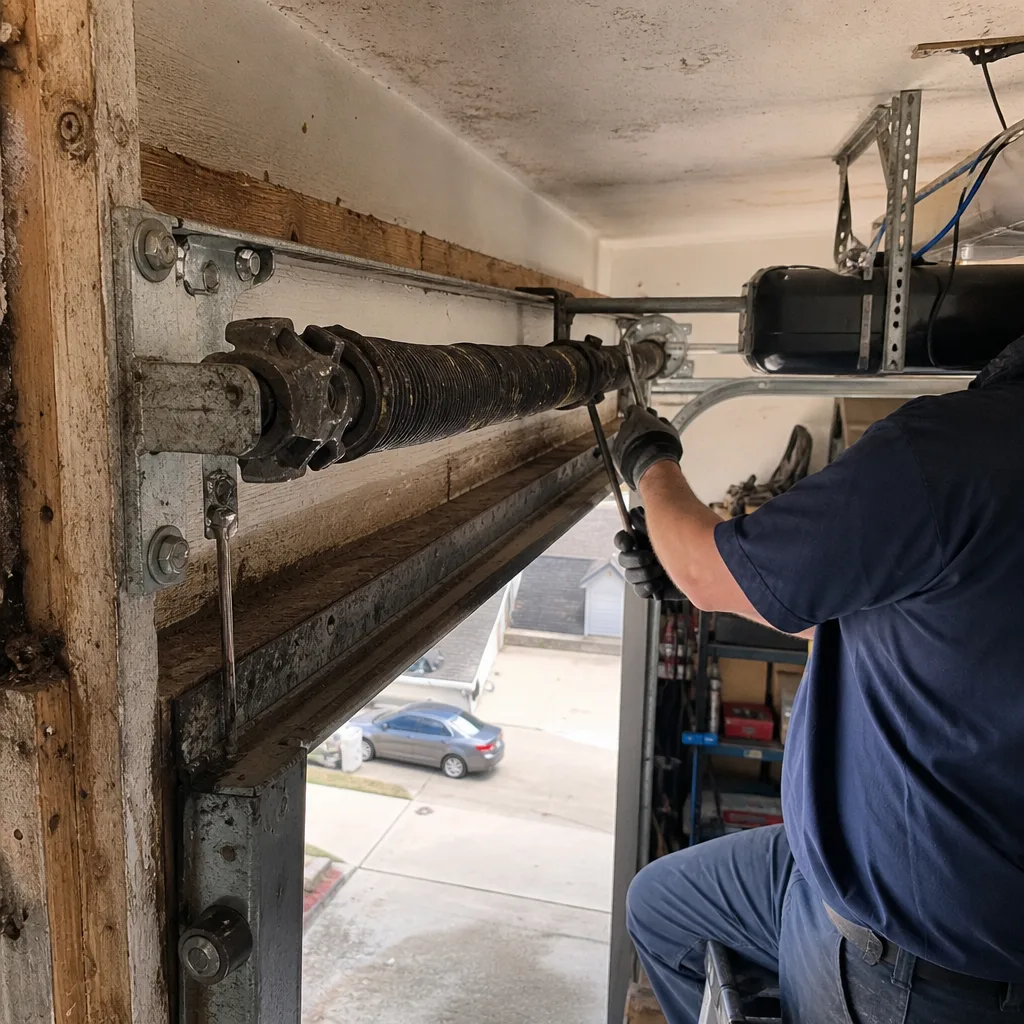
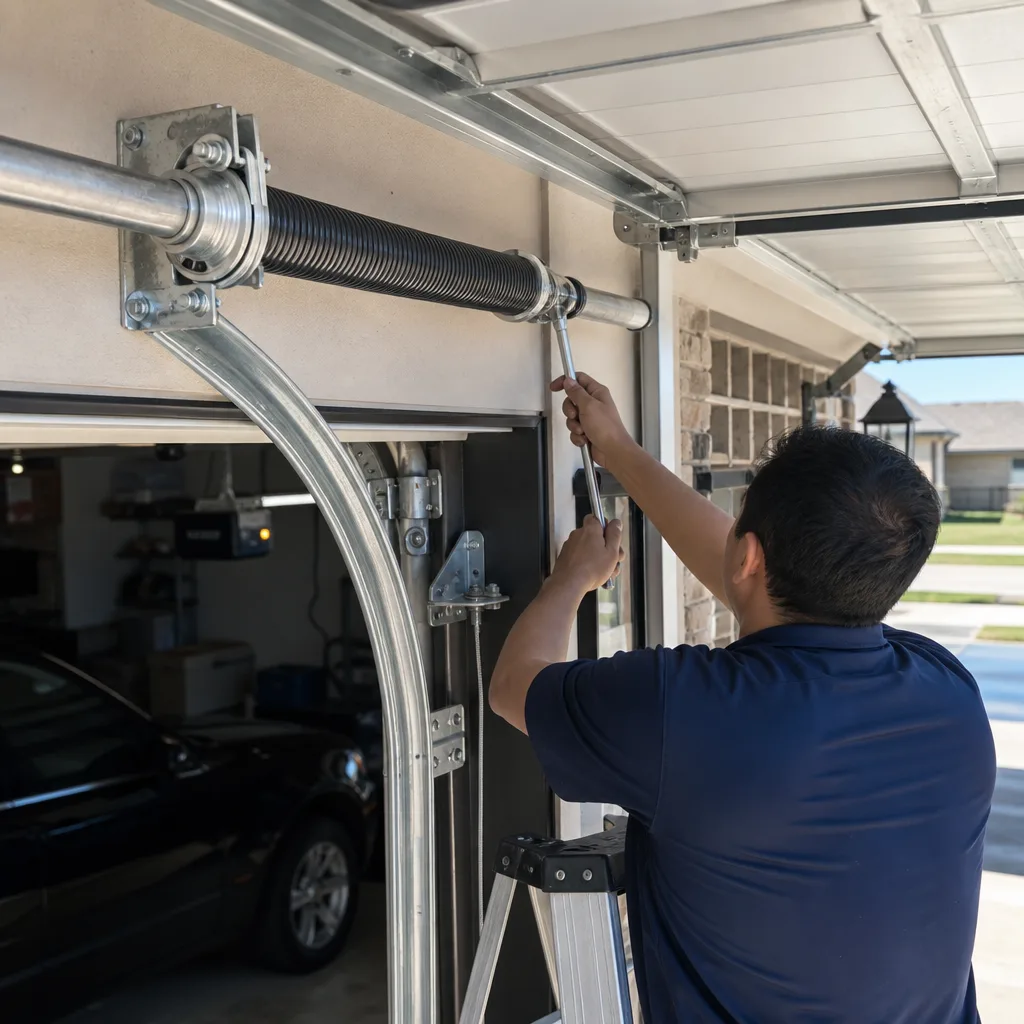
- Examine the torsion spring for gaps between coils. A properly tensioned spring has coils that are close together but not touching. Gaps indicate loss of tension. Touching coils indicate over-tension or a wound-down spring at end of life.
- Check the bottom seal for cracks, flattening, or daylight visible underneath. In Allen’s clay soils, garage floors often settle slightly at the center, creating a low point where seals fail first.
- Inspect the opener rail for sagging or loosened mounting brackets. Summer vibration will worsen any slack.
Manual operation test (7 minutes):
- Disconnect the opener using the emergency release rope.
- Raise the door manually to waist height and release. A properly balanced door should stay in place or drift slowly. If it falls rapidly, the springs are under-tensioned. If it rises, they are over-tensioned. Both conditions stress the opener and become dangerous.
- Run the door through a full cycle by hand. It should move smoothly through the full arc without sticking, grinding, or requiring uneven force.
- Listen for any new or changed sounds. Clicking at hinge points, grinding at rollers, or cable scrape against the door edge all indicate developing problems.
Opener function check (5 minutes):
- Reconnect the opener and run a full cycle.
- Test the safety reverse with a 2×4 laid flat in the door path. The door should reverse within 2 seconds of contact.
- Test the photo-eye obstruction function by passing a broom handle through the beam during closing. The door should reverse immediately.
- Listen to the motor. A healthy opener in Allen’s climate has a steady hum without strain. Labored operation, particularly in the first 12 inches of travel, indicates a door that is heavier than the opener expects.
If any step reveals an anomaly, that is your signal to call before summer. The $89 Seasonal Tune-Up addresses every item on this list with professional tools and calibration. For homeowners in Allen’s 55+ communities like Del Webb at Twin Creeks, we also offer the permanent 5% senior discount on all services.
Common Mistakes to Avoid
- Lubricating in July with the wrong product. Standard hardware store lithium grease liquefies and runs off vertical surfaces within weeks at Allen summer temperatures. The lubrication is wasted, and the drips attract dust that accelerates wear.
- Ignoring the door until it fails. In Allen’s competitive real estate market, a failed garage door during a home showing or family visit is more than inconvenient. It signals deferred maintenance to buyers and creates security vulnerabilities.
- DIY spring adjustment after watching online videos. Torsion springs store enough energy to cause serious injury or death. We have repaired doors in Allen where a homeowner’s improvised tool slipped, damaging the door, the vehicle inside, and in one case, requiring emergency medical attention. This is not a savings; it is a gamble.
- Replacing the opener when the door is the problem. We see this frequently in Allen’s 1990s-era homes: homeowners install a “more powerful” opener to address a heavy door, when the actual issue is worn springs or binding rollers. A stronger opener masks the problem until it fails catastrophically, often damaging the door sections.
- Using national maintenance calendars without Allen adjustment. The “spring cleaning, fall winterization” template assumes gradual seasonal transitions. Allen does not have them. Maintenance timed to national averages misses both prep windows.
- Neglecting the manual release mechanism. Allen’s summer storms and winter ice events cause power outages. A corroded or jammed release rope turns a temporary outage into an emergency. We check this on every service call; homeowners rarely do.
When to Call a Professional
Call for professional service when you notice any of the following: a door that has become noticeably heavier to lift manually; new or changed sounds during operation; intermittent reversing or failure to close; visible gaps in torsion spring coils; frayed or rusted cables; or any opener behavior that seems strained or labored. These are not problems that improve with time.
Carl Dutton and the team at Mainspring Garage Door Co. home have served Allen since 2016, building on 42 years of company history across Collin County. We answer every call with a live person, 24/7, and our trucks carry the springs, cables, and openers needed for most jobs in a single visit. Garage door repair in Allen from Mainspring includes our 90-Day Done Right Promise: if the work is not right, we return at no charge, with no dispute process, in writing on every job. For a free estimate, call (214) 692-2338.
Frequently Asked Questions
We recommend professional service twice yearly: once in late March before summer heat, and once in late September before winter freeze events. This schedule aligns with Allen’s actual thermal calendar rather than the traditional four-season model. Our $89 Seasonal Tune-Up covers spring tension verification, hardware lubrication with climate-appropriate products, safety system testing, and wear-point inspection. Call (214) 692-2338 to schedule.
This pattern almost always indicates thermal expansion causing binding in the tracks, hinges, or opener rail, combined with spring tension that has dropped below optimal calibration. As temperatures rise, metal components expand and clearances change. A door that was marginally functional at 75°F becomes problematic at 100°F. The solution is spring recalibration and clearance verification, not a more powerful opener. We see this frequently in western-exposure Allen garages during July.
Homeowners can lubricate accessible hinge points and roller stems with a high-quality synthetic lubricant rated for temperatures above 350°F. However, torsion springs, cable drums, and bottom brackets should be left to professionals. These components are under tension and present genuine injury risk. Additionally, most homeowners apply too much lubricant, which attracts dust and creates abrasive paste. Our technicians apply precise amounts of the correct product for Allen’s climate.
Mainspring Garage Door Co. offers a $89 Seasonal Tune-Up that includes full spring tension verification, hardware lubrication with high-temperature-rated synthetic product, roller and hinge inspection, weatherstripping assessment, safety sensor alignment and testing, opener force limit verification, and a written condition report. This price has been stable for several years. Seniors and veterans receive an additional 5% discount. Call (214) 692-2338 to schedule.
Torsion spring failure is the most common summer emergency we respond to in Allen. Heat accelerates metal fatigue in springs that were already near end of service life. The failure typically occurs during the first hot afternoon after a cool morning, when the thermal expansion cycle stresses the weakest point. A broken torsion spring renders the door inoperable and should not be used until repaired. We carry replacement springs for all major brands including Clopay, Amarr, and Wayne Dalton on our trucks for same-day resolution.
A functional, well-maintained door is sufficient for most Allen sales. Replacement is warranted when the door has significant cosmetic damage, outdated insulation that affects energy efficiency ratings, or a style that conflicts with neighborhood standards. In Twin Creeks, Waterford, and similar established communities, a new door typically returns 85-90% of cost at sale according to regional real estate data. We offer free written estimates and second opinions on any competitor’s quote. For new doors, see our garage door installation in Allen options.
The Bottom Line
Allen’s garage doors do not need four-season maintenance. They need precise preparation for two punishing seasons, delivered in the transition windows before they arrive. Late March and late September are your opportunities to prevent the emergency calls that peak in July and January. A 20-minute homeowner audit, combined with professional spring calibration and climate-appropriate lubrication, addresses the thermal expansion, contraction, and fatigue that drive most failures. The work is not complicated, but the timing matters. Do it before the extremes, not during them.
Written by Carl Dutton, Owner at Mainspring Garage Door Co., serving Allen since 2016.